
Καταρράκτης Ματιών: Συμπτώματα & Εγχείρηση Laser Με Άμεση Ανάρρωση!
Written by Vasileios Kozobolis, founder of the Hellenic Center for Research & Therapy of Eye Diseases (ELKETHOP)
Full Medical BiographyWhat is a Cataract?
Inside the eyeball is the crystalline lens, which allows our vision to be clear. When the lens deteriorates, its center hardens and its layers become cloudy. This condition is called a cataract.
Cataracts are very common and almost inevitable for many people. They are not only a problem for the elderly but can occur at any age, even in infants who may be born with a congenital cataract.
It is important to note that cataracts can develop at different rates in each eye, naturally leading to progressive vision loss.
Causes – Risk Factors
Age is not the only risk factor; symptoms may appear around 60–70 years, but the cataract may have been developing earlier.
Several factors have been identified that can accelerate the development of cataracts. These include certain medical conditions such as diabetes, prolonged use of corticosteroids, eye trauma, and high degrees of myopia. In addition, smoking, alcohol consumption, and long-term exposure to sunlight appear to contribute negatively.
Symptoms
Common cataract symptoms include:
- Reduced visual clarity at both near and far distances
- Difficulty distinguishing colors
- Cloudy vision, even in daylight or bright rooms
- Sudden increase in myopia or decrease in hyperopia
- Glare or reflections, e.g., during night driving
Treatment
Treatment becomes necessary when vision deterioration affects daily activities. Night driving may become difficult, reading may cause strain, and watching movies may no longer be enjoyable.
The only effective treatment is surgical removal of the cataract. Modern techniques use local anesthesia, require only small incisions, and typically do not need stitches. The cloudy lens is removed and replaced with an artificial intraocular lens implant.
Surgery is the only option when vision is significantly impaired, and the earlier it is performed, the better the outcomes.
- Phacoemulsification
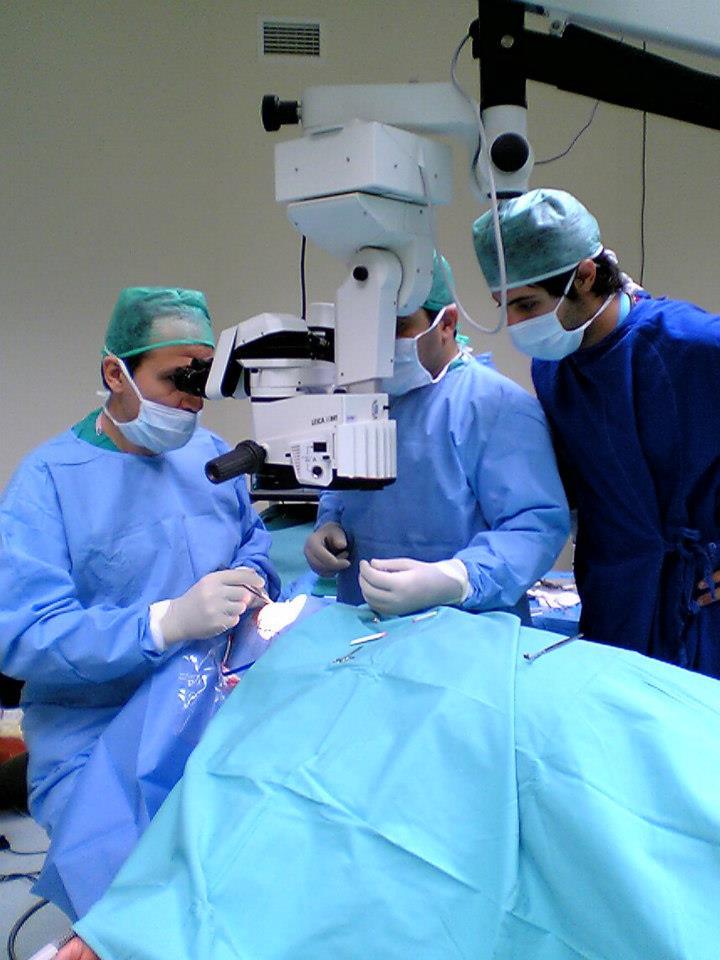
This is the most common cataract procedure. Using a microscope and ultrasound instruments, the cataract is removed while leaving enough of the lens capsule to support the implant. The incision is very small, and recovery is rapid. - Extracapsular Cataract Extraction
The procedure is similar to phacoemulsification but uses a larger incision. It is mainly recommended for advanced-stage cataracts. - Intracapsular Extraction
The lens and its capsule are completely removed. If an artificial lens is implanted, it is placed in front of the iris.
Recovery After Surgery
The patient is immediately advised on care during recovery. Vision restoration is typically rapid for most patients, and return to work is usually quick.
FAQ
The final cost of the surgery depends on the method chosen and varies from case to case.
Once an intraocular lens implant is placed, a cataract cannot recur. However, over time, the natural lens capsule of the eye may become cloudy. In such cases, a laser procedure is required, but no new incision in the eye is needed.
Not necessarily. Cataract surgery is usually recommended when vision impairment begins to affect daily activities, such as reading, driving, or performing tasks that require clear vision. Early-stage cataracts that do not significantly interfere with vision can often be monitored regularly until surgery becomes necessary.
There are many ways to protect your eyes and delay the onset of cataracts. Using high-quality sunglasses, eating plenty of fruits and vegetables, avoiding smoking and alcohol, and managing health conditions that affect the eyes, such as diabetes, are all very helpful measures for maintaining eye health.
Related Videos
Related Images

Read Also
 General Articles
47th National Ophthalmology Conference
Click on the link below to watch the statements of the Scientific Director of Glaucoma Laser Eye Center of Athens,